2026-10-13 · David Chen
Navigating Brisbane Council Regulations for Your New Pool
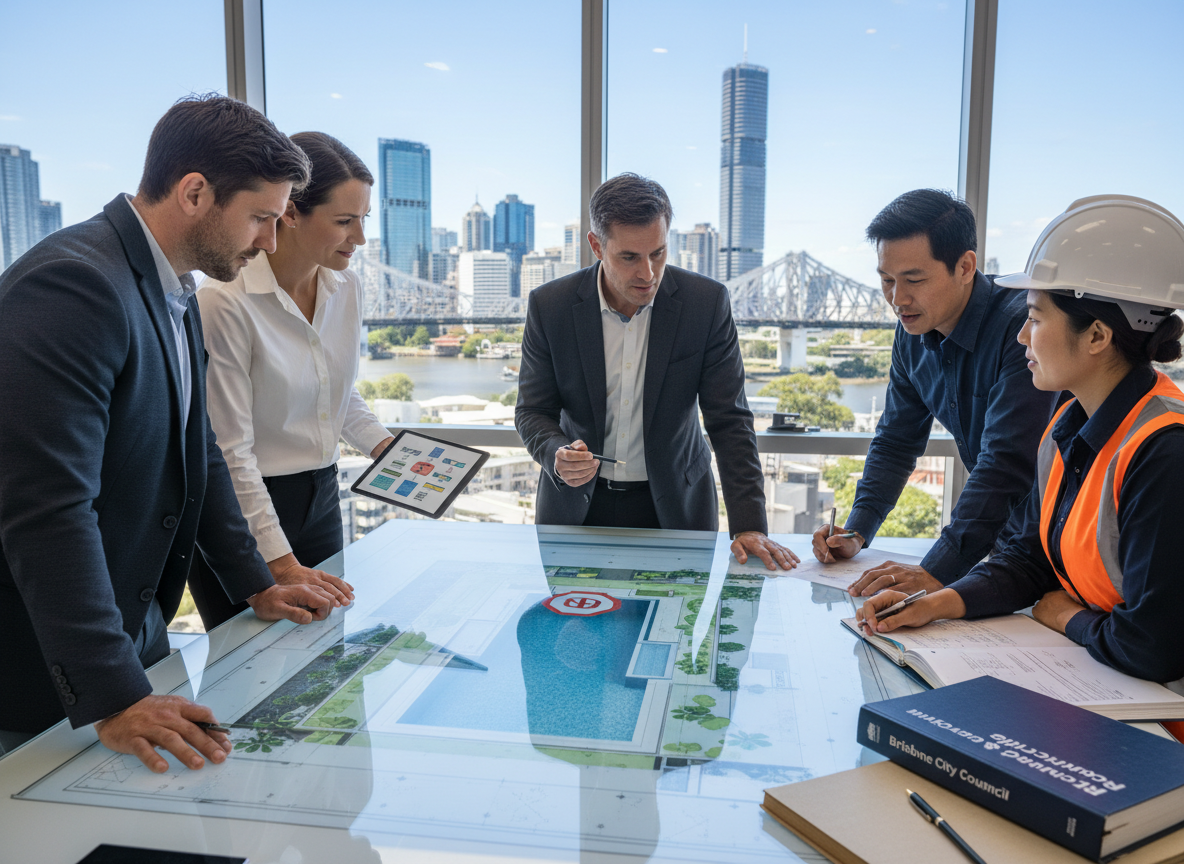
Navigating Brisbane Council regulations for your new pool involves a clear understanding of building approvals, safety barrier requirements, and environmental considerations. Generally, you'll need a building approval from a private certifier accredited by the Queensland Government, ensuring your pool design and construction meet the Building Act 1975 and the Building Regulation 2021. This process typically includes submitting detailed plans, site reports, and demonstrating compliance with safety standards, particularly for fences and gates. While the Council doesn't directly issue building permits for pools, they set the overarching framework and conduct inspections to ensure ongoing compliance, especially regarding pool safety. Failing to adhere to these regulations can result in significant fines and orders to rectify non-compliant structures.
Understanding Building Approvals and Certifiers
In the City of Brisbane, the journey to a new pool begins not with the Council directly, but with an independent building certifier. These professionals are your primary point of contact for obtaining the necessary building approval. They will assess your proposed pool plans against the Queensland Development Code (QDC), specifically MP 3.4 for swimming pool safety barriers, and other relevant Australian Standards. This includes reviewing aspects like setbacks from property boundaries, maximum excavation depths, and how the pool integrates with your existing property, especially in densely populated areas like Fortitude Valley or New Farm. The certifier acts as an intermediary, ensuring your project meets all legal requirements before construction can commence. It's a critical step, as proceeding without proper approval can lead to costly delays and rework.
The certifier will guide you through the documentation required, which often includes detailed site plans showing the pool's location, fencing, and access points; engineering drawings for the pool structure itself, especially for custom concrete pools; and a Form 15 (Design Certification) from a registered professional engineer. Given Brisbane's humid subtropical climate, which can affect soil stability and drainage, certifiers often pay close attention to how the pool structure will manage water runoff and ground movement. Choosing an experienced local certifier familiar with the nuances of properties around the Brisbane River, from Kangaroo Point to South Brisbane, can streamline this process significantly.
Essential Pool Safety Barrier Requirements
Pool safety barriers are non-negotiable in Queensland, designed to prevent unsupervised access by young children. Brisbane Council strictly enforces these regulations, which are outlined in the Building Act 1975 and Building Regulation 2021. Your pool barrier must comply with Australian Standard AS 1926.1-2012, covering everything from fence height and gate latching mechanisms to climbable objects near the fence. Key requirements include a minimum fence height of 1200mm from finished ground level, non-climbable zones of 900mm on both sides of the barrier, and self-closing, self-latching gates that open outwards away from the pool enclosure. These standards apply universally, whether you're installing a new fibreglass pool in West End or undertaking a major pool renovation in South Brisbane.
It's crucial to consider the entire pool area when planning your barriers. This includes ensuring windows and doors from the house that open directly into the pool area are compliant, often requiring restrictors to prevent them from opening more than 100mm. Any objects that could be used to climb over the barrier, such as garden beds, BBQs, or even pool equipment, must be kept at least 900mm away. Regular inspections by the Council or your certifier will verify ongoing compliance. For a deeper dive into maintaining your pool in Brisbane's unique environment, you might find our article on Maximizing Your Pool's Lifespan in Brisbane's Subtropical Climate helpful.
Zoning and Setback Considerations
Beyond safety barriers, Brisbane Council's planning scheme dictates where you can physically place your pool on your property. Zoning regulations specify what types of development are permitted in different areas, while setback requirements dictate the minimum distance your pool must be from property boundaries, easements, and other structures. These can vary significantly depending on your specific residential zone and the characteristics of your lot. For instance, properties in older, established suburbs like New Farm or Kangaroo Point might have different setback rules compared to newer developments on the outskirts of the City of Brisbane or in nearby broadbeach waters.
Typically, pools must be set back a minimum distance from side and rear boundaries, often around 1.5 meters, but this can change if your property has specific easements for utilities or if it's located in a flood-prone area near the Brisbane River. It's essential to consult the Brisbane City Plan 2014 or engage with your building certifier early to understand these specific requirements for your address. Overlooking these details can lead to significant rework or even the inability to build your desired pool. Understanding these constraints early in the planning phase can also influence your choice between, for example, a custom Concrete Pool Construction that can be shaped to fit tight spaces, or a pre-fabricated fibreglass option.
Environmental and Drainage Requirements
Brisbane's humid subtropical climate, characterized by hot summers and heavy rainfall, means that environmental and drainage considerations are paramount for any pool project. The Council has strict guidelines to prevent adverse impacts on neighbouring properties and the wider stormwater system. This includes managing stormwater runoff from your pool and surrounding paved areas. You'll need to demonstrate how water will be directed away from your home and neighbouring properties, typically into the existing stormwater infrastructure or via approved on-site detention systems.